Have you ever used an app that promised to make life easier yet felt more frustrated than before? Take, for example, you downloaded a new banking application to simplify managing your finances. But within minutes, you find yourself stuck. The User Experience (UX) design was confusing. The menu options were buried under unclear icons, several pop-ups bombarded you even before the login process and simple tasks like transferring money felt like a puzzle.
Times like this make you realize how much we take good app and interface design for granted. When done right, UX design makes technology feel effortless, keeping site visitors engaged for a long time. But when neglected, it can drive users away in seconds.
In this article, we’ll explore user experience technology: what it is, how it is developed, the essential technologies and tools used to achieve it, and emerging trends in the sector.
What is User Experience design?
User Experience (UX) design refers to the process and practice of developing an interactive product for users in the market. You see it when opening and using any software, website, or app, usually without realizing it. For example, the first time you used a new phone or signed up for a streaming platform.
It involves all aspects of product development and design, including packaging and branding, the initial installation and setup process, operation, usability and performance in the real world.
From intuitive apps to seamless websites, a good UX design ensures users have an easy, smooth, seamless experience with technology.
What does a UX designer do?
UX designers ensure their app or website interactive experience is thoughtful, user-friendly and pleasant for users and meets their everyday demands. UX designers are in high demand across many industries and get to work at the intersection of creativity and problem-solving.
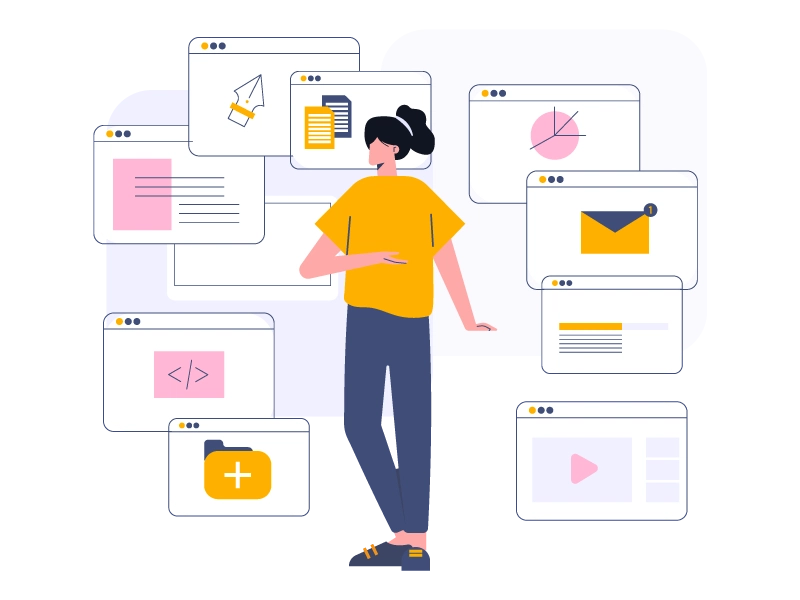
One part of a UX designer’s work entails making digital spaces, such as websites and applications, intuitive and fun to use. Take a food delivery app, for example. A UX designer picks where to place a menu so that you can find it easily, where to set up the checkout process so you can pay quickly and how to display tracking updates so that you can see when your meal will be delivered to you.
Choosing UX designer as a career path
If you are empathetic, have technical proficiency, are a good communicator and have a deep understanding of the design process, you could choose UX designing as a potential career path. One of the main key roles of a UX designer is understanding user behaviour and needs.
To become a User experience designer, start by learning the basics. Gain hands-on experience by working on personal projects, redesigning apps/websites, or participating in design challenges. Learn to use tools like Figma, Adobe XD, and Sketch, and build a portfolio showing your designs. Keep learning, stay updated on trends, and apply for internships or entry-level UX roles to start your career.
UX design is a rapidly growing career field. It offers high pay and opportunities across sectors.
Key principles of UX design
When designing a website, game, shopping app or any digital solution, you want it to be the best on the market. If users can’t find what they need, the navigation is confusing, or the page takes forever to load, they will leave in seconds. That is where UX design principles come in.
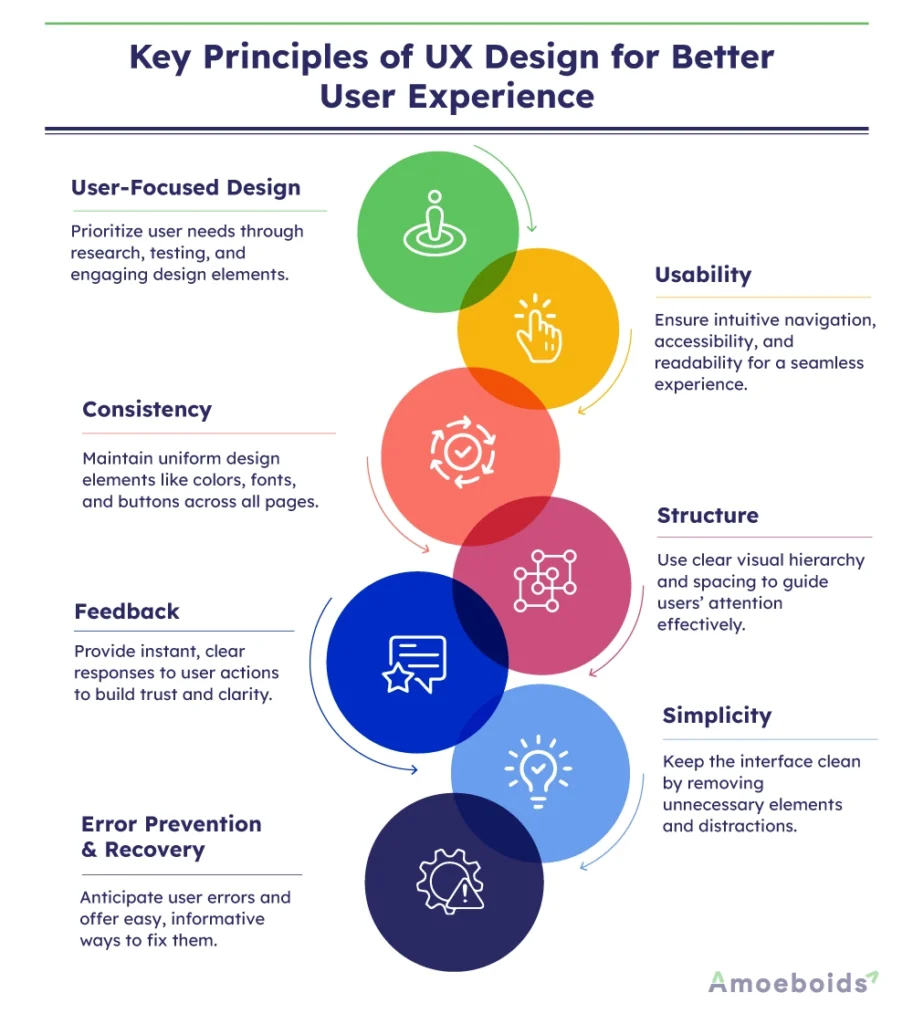
- User-focused design: Prioritize the users’ needs, behaviors and objectives. Research your target users and test the product’s usability to understand and refine their experiences. Use gamification, storytelling and animations to create a design that will be both functional and enjoyable for the majority of your potential target audience.
- Usability: The UX design should make the product intuitive, easy to navigate and user-friendly with the help of the best practices for accessibility, readability and interaction design.
- Consistency: Ensure that every element, such as buttons, colors, fonts, etc., follows the same design theme.
- Structure: Organize content using a clear visual and information hierarchy. Prioritize important elements through contrast, size, spacing and typography.
- Feedback: Provide immediate feedback on user actions; design elements should clearly indicate their purpose.
- Simplicity: Remove the elements in your UX design that serve no purpose. Keep designs clean to make it easy on the eyes.
- Error Prevention and Recovery: Develop systems that avoid user errors (e.g., alerts to confirm deletion) and provide clear means for correcting errors (e.g., undo capability, informative error messages).
Thoughtful user experience design differentiates between a product people love and one they abandon. Whether it’s a website, an application, or a smart device, following these simple UX principles guarantees that your design is user-friendly.
Conceptualization in UX design
The main purpose of UX design is to make user interactions as easy as possible so that users can accomplish their objectives with minimal effort.
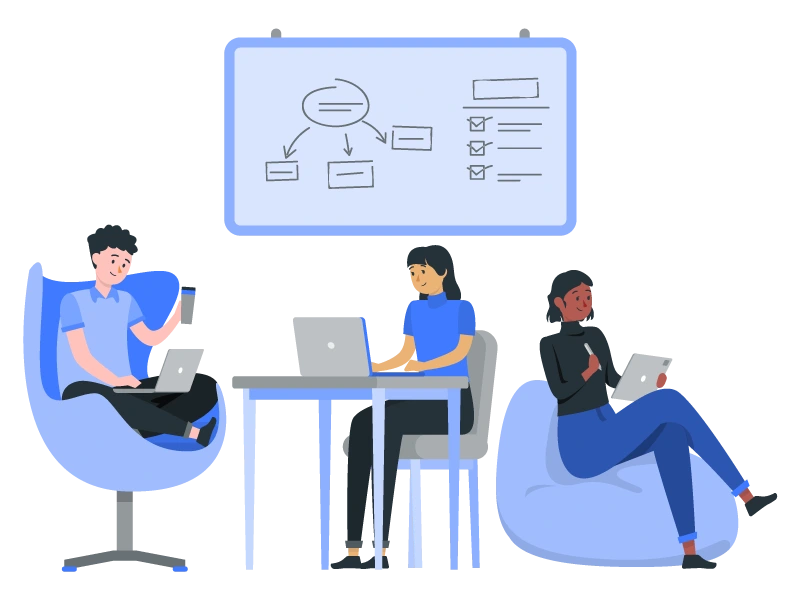
The UX design process starts with conceptualization. The brainstorming stage shapes ideas into a structured plan by defining the overall experience before diving into design details. This phase includes:
- Understanding user needs—Being aware of what your users need is one of the most critical steps. Ask yourself, “What problems do users have, and how does your design solve them?”
- Creating user personas – Building fictional characters that represent your target audience.
- Building a blueprint – Roughly visualize the structure of your website or app before adding details.
- Defining user flows – Mapping out how users will move through your product to complete tasks effortlessly.
Think of conceptualization as drawing a blueprint before constructing a building. A well-thought-out UX concept saves time, avoids confusion and leads to a better final product.
User research in UX design
User research is the foundation of UX design. Without it, you are designing based on assumptions rather than real user needs.
Here is how to do it effectively:
- Conduct surveys and interviews – This is done to gather first-hand insights from real users to understand their pain points and preferences.
- Observe user behavior – Using analytics tools can help you see what users do on your site.
- Create usability tests – Ask users to perform specific tasks and determine where they face problems.
- Analyze feedback and iterate—Regularly refine your UX based on root cause analysis and customer feedback. Ensure that data, not guesswork, drives your design decisions.
A host of specialized tools can help with your UX design needs. Let’s look at some of them.
Essential UX technologies and tools
UX designers employ various tools and technologies to develop and test user-friendly designs. Software and products are constantly being refined to meet growing demand in the market. Here are some useful tools:
- Wireframing and Prototyping: Adobe XD, Sketch
- User Research: Google Analytics, Hotjar
- Collaboration: Atlassian
- Accessibility Testing: Axe, Wave
Learning to use these tools helps designers streamline their workflow and enhance user experiences.
Emerging trends in UX design
With new technologies emerging every other day, there are always upcoming trends to look out for when it comes to UX design. Here are some exciting ones:
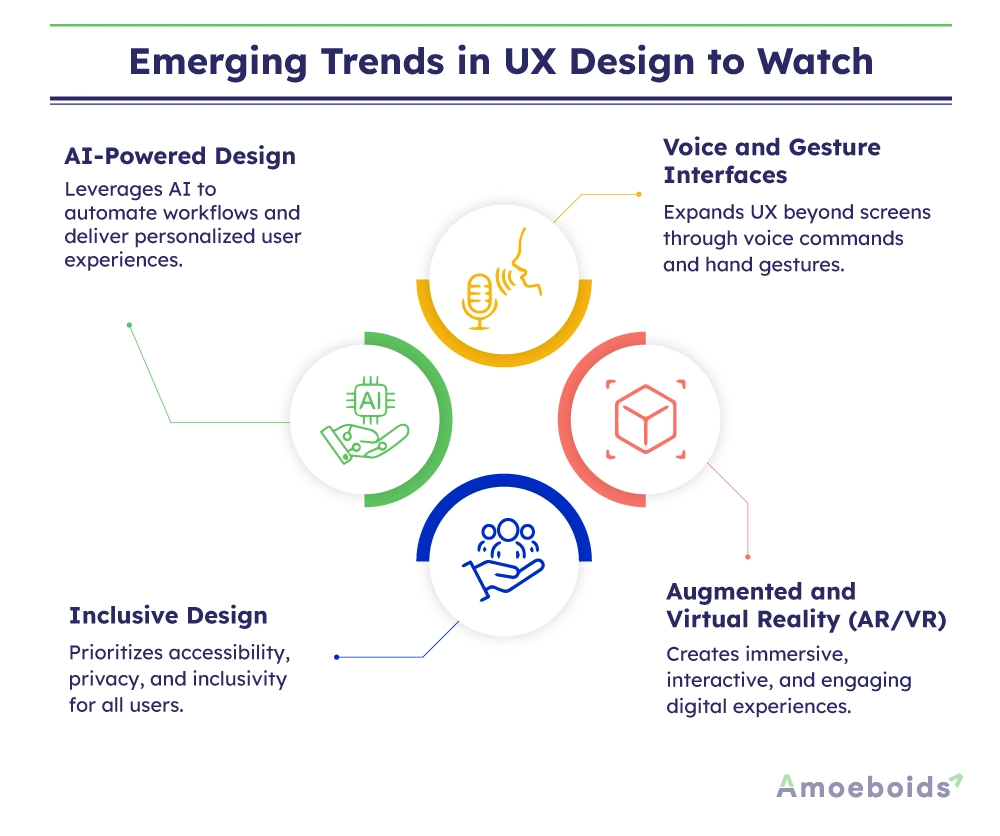
- AI-powered design – AI tools assist in automating design processes and personalizing user experiences.
- Voice and gesture interfaces – Besides displays, user experience encompasses voice requests and hand gestures.
- Augmented (AR) and Virtual Reality (VR) – These technologies are changing digital experiences while adding an element of fun to the user experience.
- Inclusive design – Accessibility and user confidentiality are becoming more and more important.
Therefore, staying current with new trends will help UX designers remain competitive in the field.
Conclusion
Good UX design is meant to make technology fun and easy to use. It helps users navigate smoothly without getting frustrated. As technology advances, UX design will continue to shape the digital world. UX improves user engagement and helps build long-term loyalty, turning casual visitors into dedicated users. Investing in user experience design is a step toward building more meaningful, user-centered experiences that stand the test of time.
Whether you are new to it or want to improve your skills, learning UX design will help enhance the visits and retention on your digital platform, with more engaged users.
FAQs
What does a UX designer do?
A UX (User Experience) designer creates intuitive, user-friendly digital experiences. They conduct user research, design wireframes and prototypes, and collaborate with developers to ensure products meet user needs. They aim to enhance usability, accessibility, and overall user satisfaction in websites, apps, and digital platforms.
What does conceptualize mean in UX design?
In UX design, conceptualizing refers to the process of brainstorming and shaping ideas into structured design solutions. It involves defining user needs, mapping user flows, and creating initial sketches or wireframes that serve as the foundation for a digital product. This phase ensures a clear vision before moving into detailed design and development.
How do you approach user research in UX design?
User research in UX design typically involves:
- Understanding the audience – Identifying user demographics, needs, and pain points.
- Conducting research – Using surveys, interviews, usability testing, and analytics to gather insights.
- Analyzing findings – Identifying patterns and key takeaways to inform design decisions.
- Implementing insights – Iterating designs based on user feedback to improve usability and experience.
Is UX design a good career?
Yes, UX design is a great career choice due to its high demand, competitive salaries, and industry opportunities. As companies increasingly prioritize user experience, skilled UX designers are needed to create seamless and engaging digital products. It offers creative problem-solving, job flexibility, and strong career growth prospects.